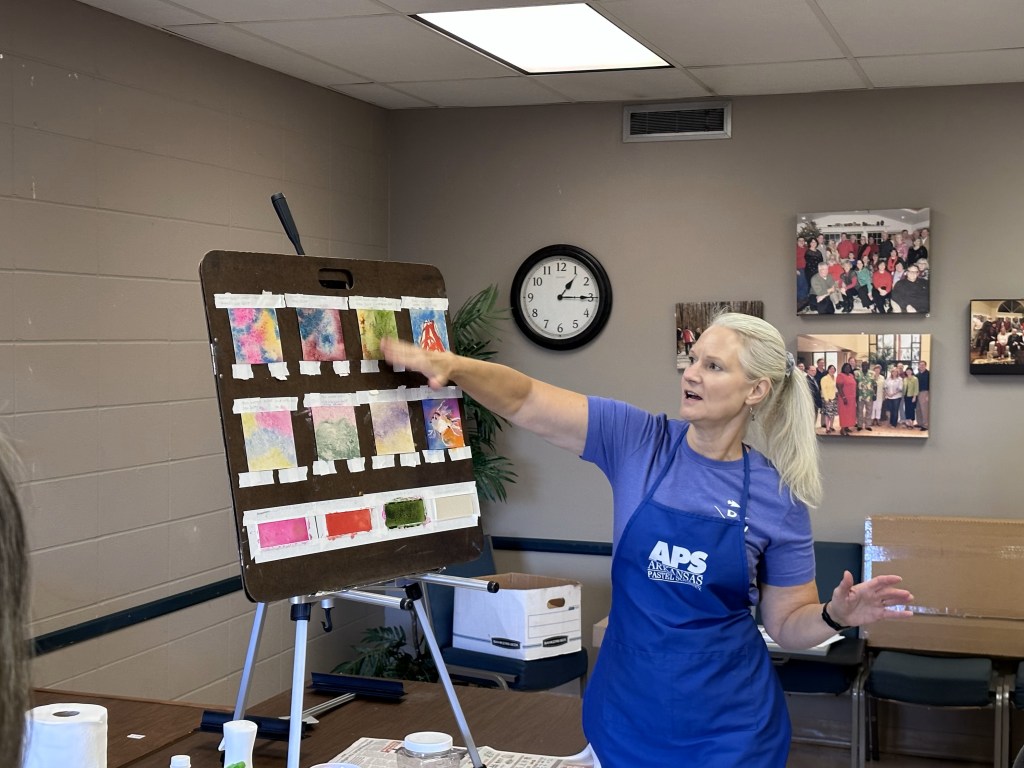
Attending the IAPS (International Association of Pastel Societies) Convention this past June was an inspiring experience. The convention buzzed with creativity and innovation, offering a unique opportunity to explore new techniques and materials. Among the various workshops and demonstrations, the vendor booths were particularly exciting. I couldn’t resist purchasing several supplies I had never used before. This blog post details my journey of incorporating these new tools into my artistic process, highlighting the challenges, benefits, and overall impact on my work.
The New Supplies
At the IAPS Convention, I acquired several intriguing supplies that piqued my interest:
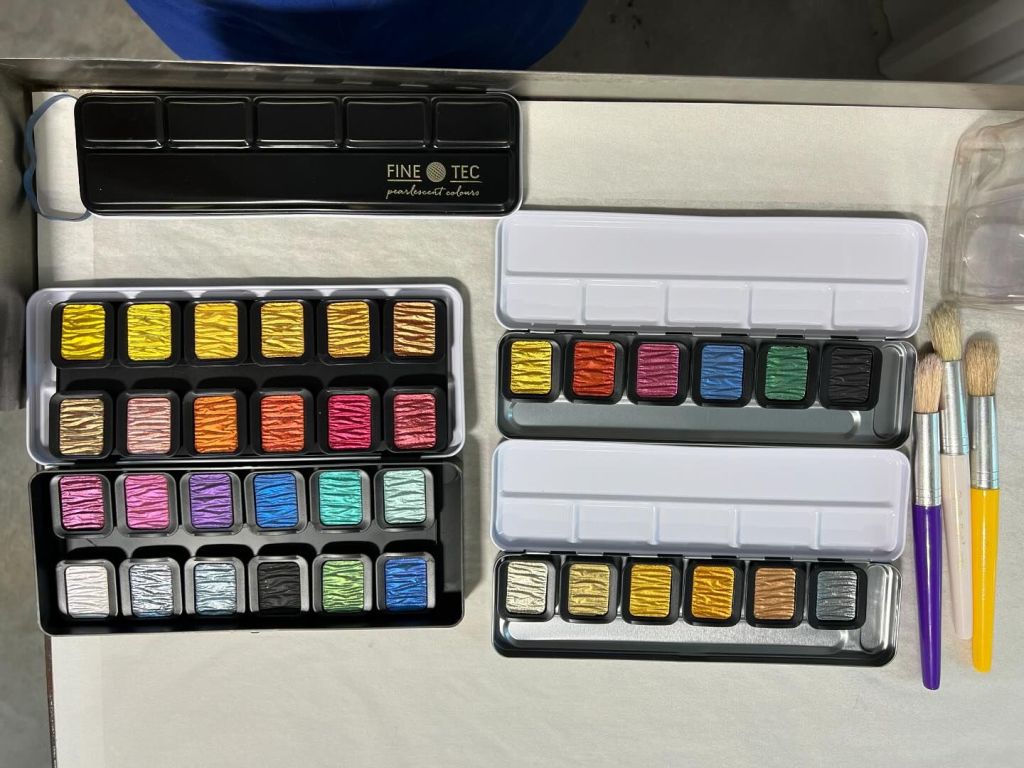
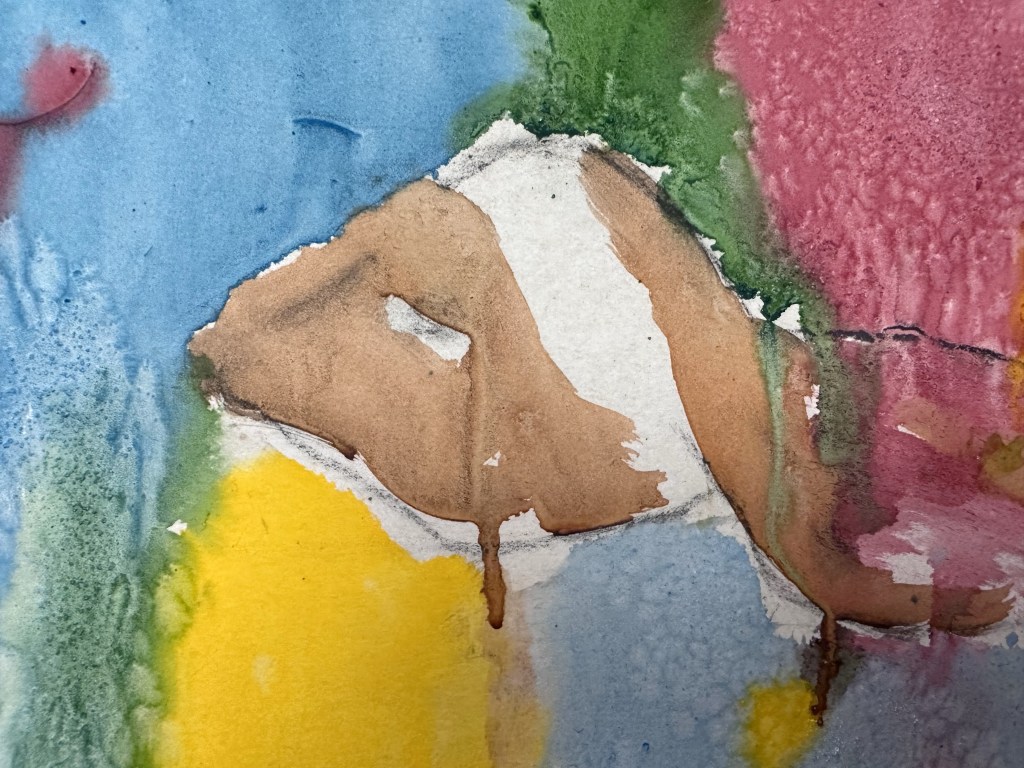
- Royal Talens FINETEC Premium Metallic Watercolors
- These watercolors add a shimmering effect and enhance the luminosity of the underpainting. They have brilliant colors and strong pigmentation.
- Terry Ludwig Elements Pastels
- Known for their rich, creamy texture and metallic flakes, these pastels offer vibrant and unique highlights.
My Process
Incorporating these new supplies into my artistic process was both exciting!
Switching from Sanded Paper to Stretched Canvas
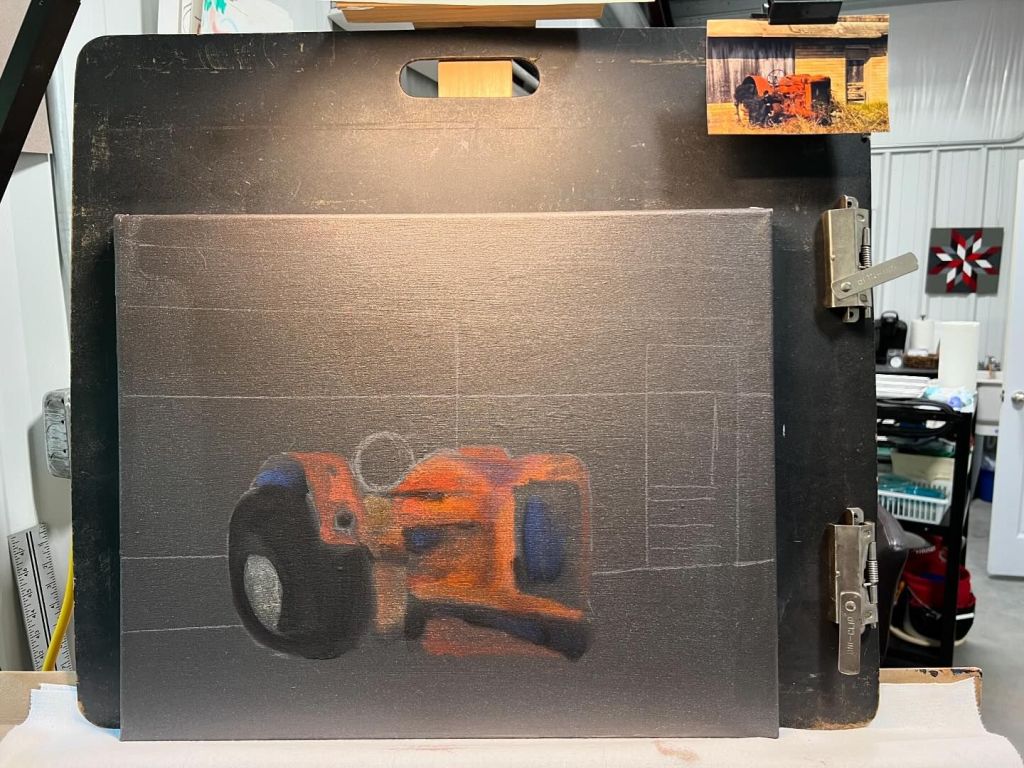
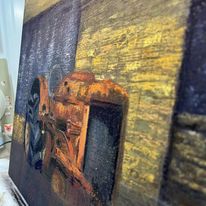
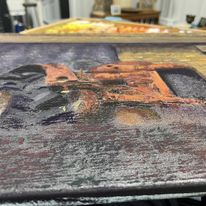
For this particular painting, I decided to use a stretched canvas instead of my usual sanded pastel paper. The transition started with applying gesso over an old painting, using a 6″ wide brush to create a textured surface. To avoid working on a stark white canvas, I covered it with micaceous oxide acrylic paint. This resulted in a gritty, dark gray surface with a subtle shimmer, perfect for painting rusty vehicles. A technique I learned about at Art Outfiters in Little Rock, AR.
Sketching and Underpainting
Once the canvas was prepared, I sketched out the drawing. I then used the Royal Talens Premier Metallic watercolors for an underpainting on the tractor. These metallic watercolors added a luminous base layer that would shine through the subsequent pastel layers.
Layering and Detailing with Pastels
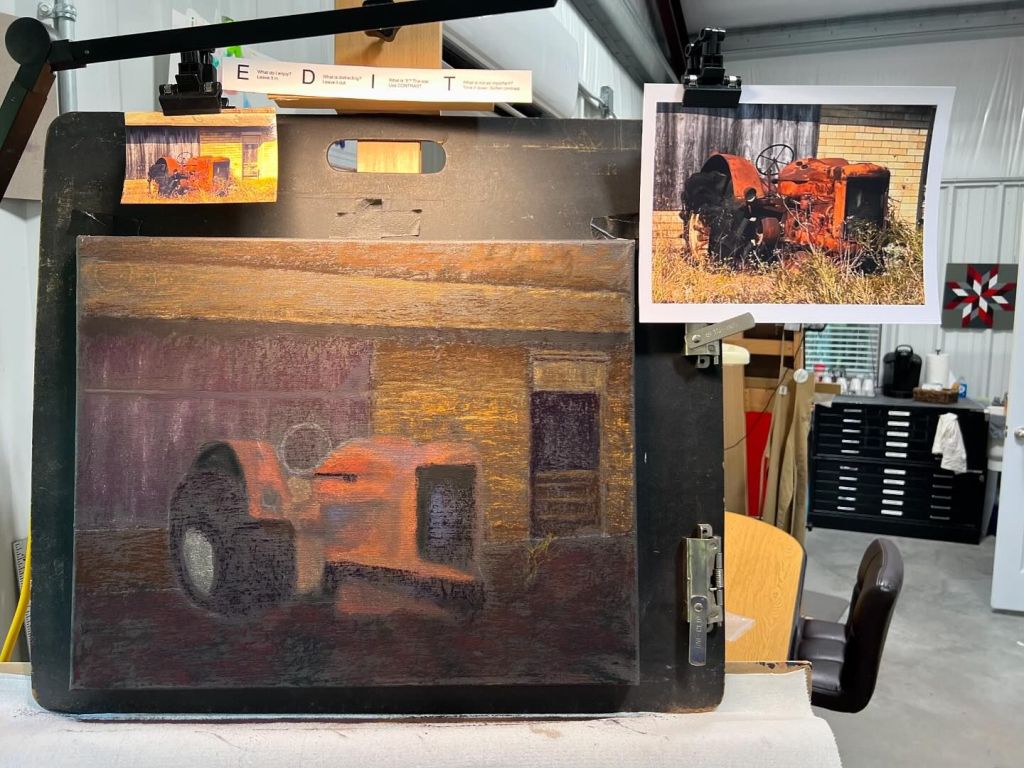
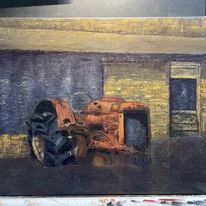
With the underpainting complete, I began layering pastels. I started by blocking in the entire painting, ensuring I identified the darkest darks, lightest lights, and mid-tones. Working around the painting, I applied pastels with directional strokes to create texture and depth. Using a light touch with the pastels allowed the underpainting to shine through, creating a layered and nuanced effect. This technique also preserved the tooth of the canvas, enabling multiple layers of pastel to be added without overloading the surface. It was a challenge to resist focusing on all the intricate details at this stage.
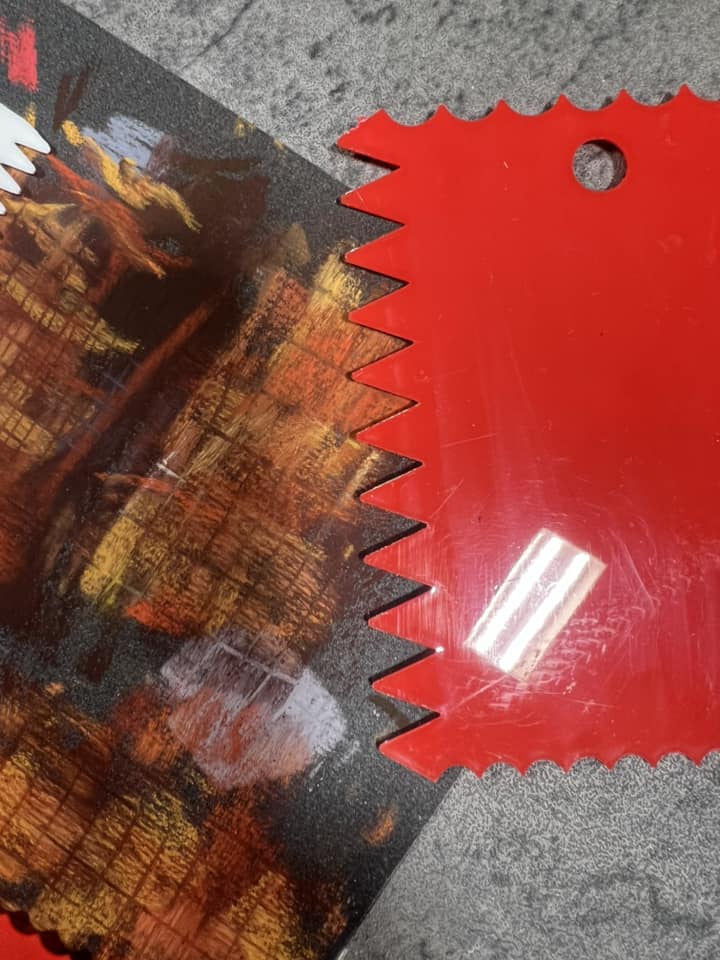
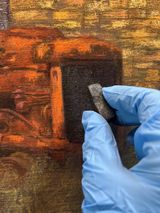
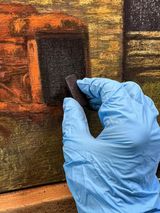
For the brick building, I wanted to convey the texture of bricks without drawing each one individually. I used cake decorating tools to drag across the pastel, creating lines that suggested bricks. I then lightly blended certain areas to soften and eliminate some of the lines, achieving a balanced effect.
Next, I turned to the details of the tractor. My goal was not to capture every detail perfectly but to provide enough information for the viewer to recognize it as a tractor. Before finalizing the lighting, I added the grasses, adjusting the balance between light and dark areas to enhance the overall composition.
Adding Finishing Touches
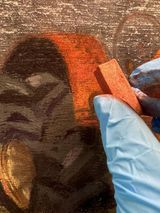
The most fun part was using the Terry Ludwig Iridescent pastels. These pastels are incredibly rich and creamy, with a beautiful metallic flake that was perfect for highlighting the radiator of the tractor and adding orange highlights of rust. These finishing touches brought a dynamic and eye-catching quality to the painting.
Benefits and Enhancements
The Royal Talens Premier Metallic watercolors added a unique luminous quality to the underpainting, enriching the final work’s depth and vibrancy. Finally, the Terry Ludwig Iridescent pastels offered stunning highlights and metallic effects that elevated the painting’s visual appeal.
These new materials have expanded my creative possibilities, allowing me to experiment with different textures and finishes. The process of integrating these supplies also challenged me to think differently about my approach, leading to a more dynamic and layered final piece.
I encourage fellow artists, whether beginners or professionals, to step out of their comfort zones and experiment with new materials. Stay tuned for the final version of this painting and more insights on how these supplies continue to shape my art.










 Caprise Cooper Art