Review of Oufin 48 Soft Pastel

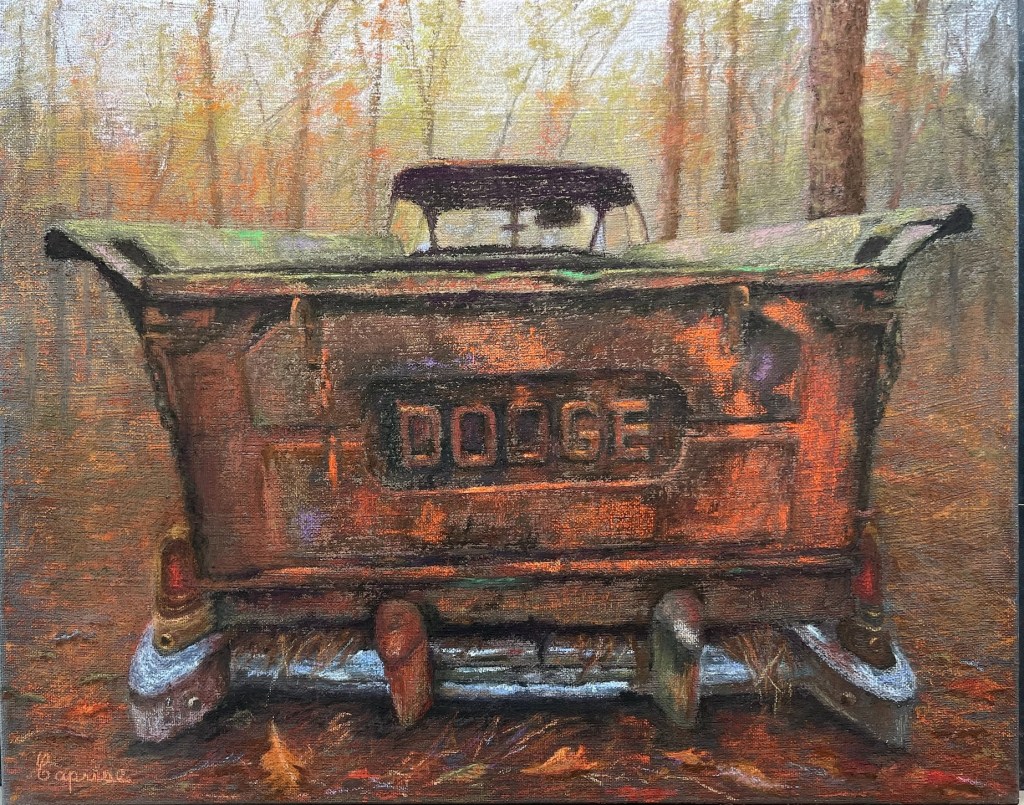
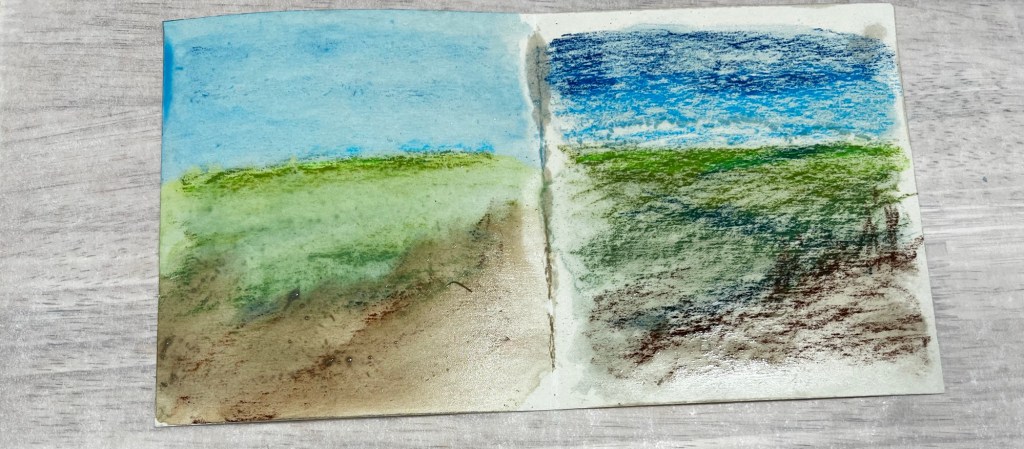
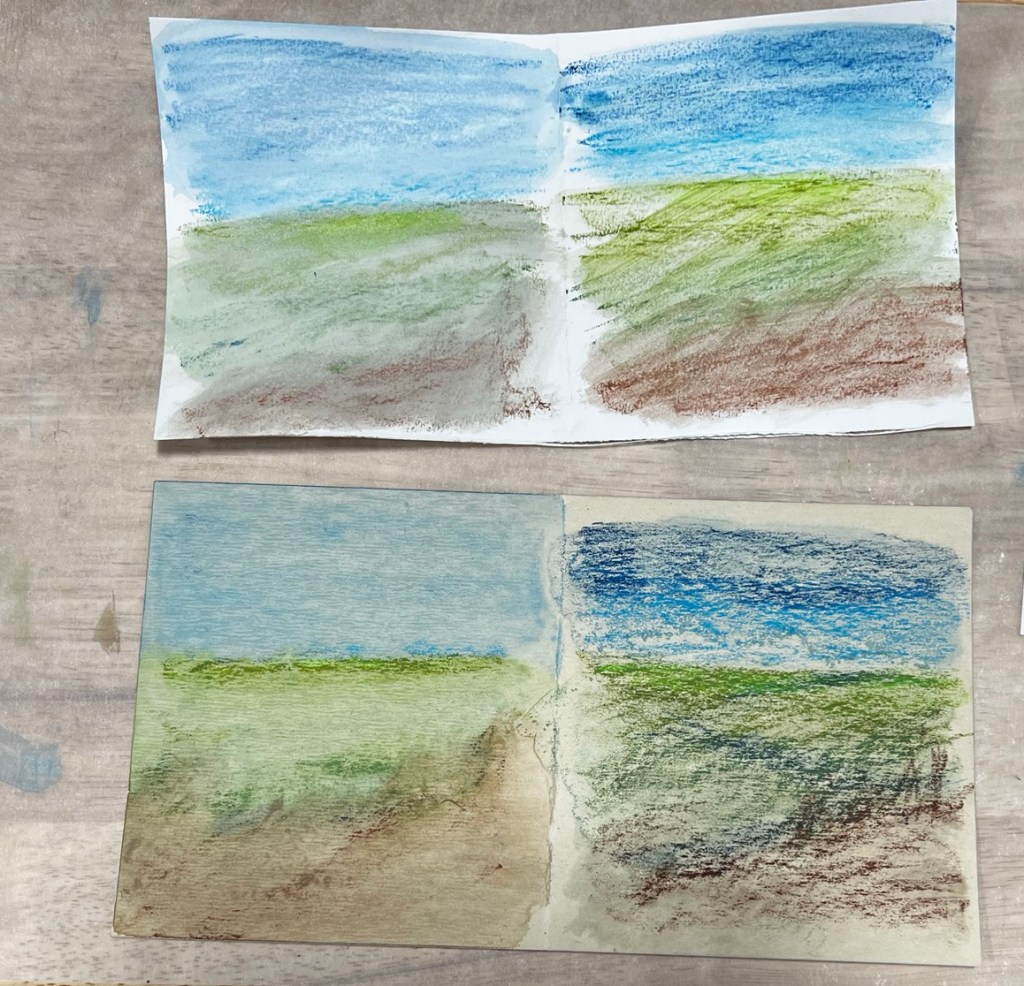
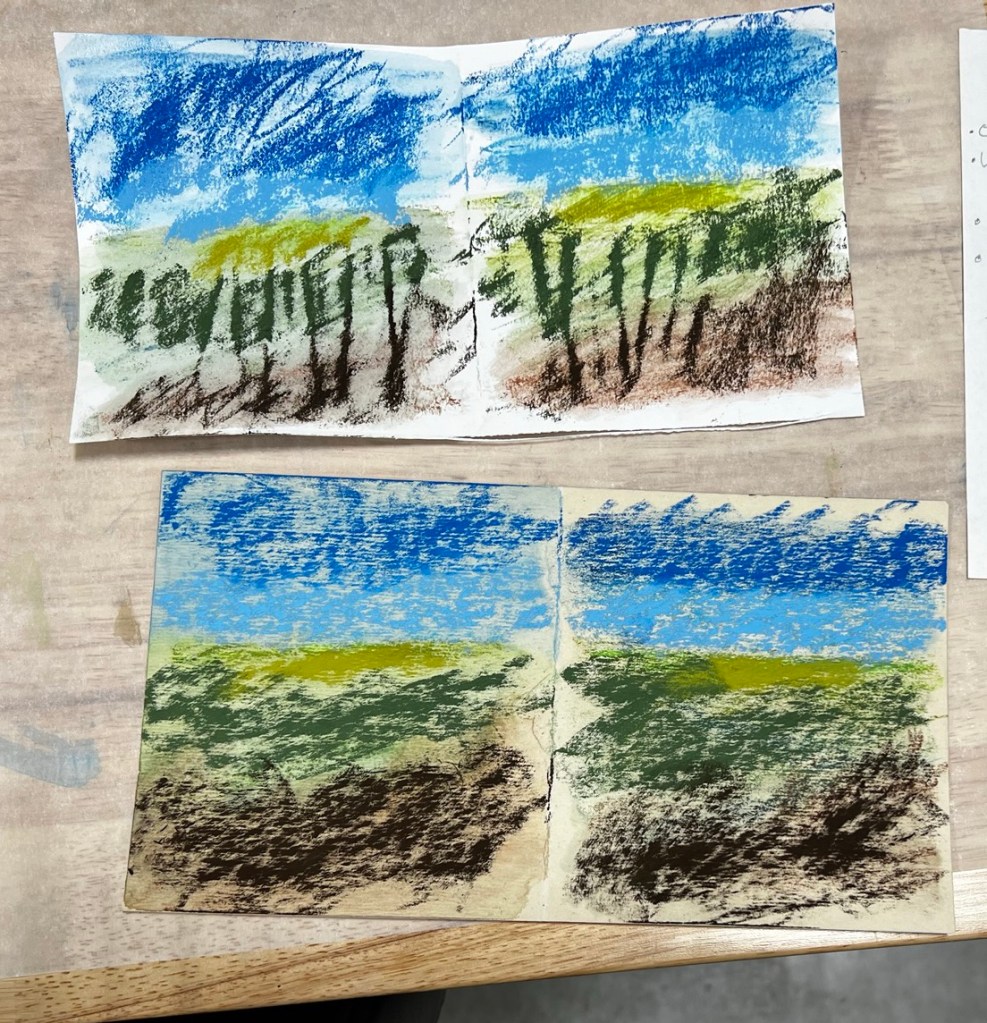
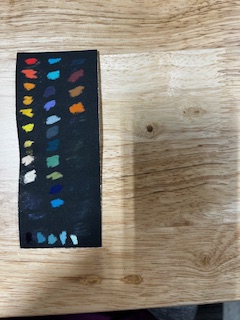
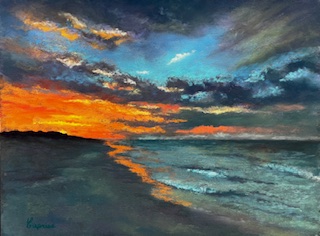
It was an honor to be asked by Leafy Cheung of Artmate, an Art Material Manufacturer, to use and provide feedback on several brands and types of pastel. Here is a painting I created with Oufin Soft Pastels and my feedback about this set.

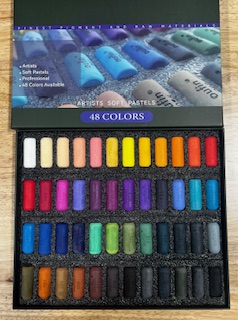
Oufin is a lesser-known brand to me, but I was pleasantly surprised by the quality of their 48-piece soft pastel set. Striking a balance between hard and soft pastels, these half-stick pastels offer smooth, consistent density without sharp edges from machine marks.

One feature I particularly enjoyed was the absence of wrappers, making the pastels ready for immediate use. For those who like to stay organized, the sticks are stamped with color numbers—perfect for creating a color chart.

The application was buttery and smooth across the board, though, like most sets, there were minor inconsistencies: yellow was slightly softer, and red had a bit of grit. Still, the overall quality was impressive.

With the color and value range provided, I completed a painting, needing only a few additional sticks from my sets: an extreme dark and a trio of turquoise values.

For its size, quality, and price point, the Oufin 48 Soft Pastel set is an excellent choice for beginners or artists looking for an affordable, versatile set to explore.

Artistic Growth and Plans for 2025

First, I want to thank all those who have supported my journey. This includes my husband, family, fellow artists, instructors, and others who engage with me on social media. Your encouragement, constructive critiques that help me grow, and interest in my process motivate and inspire me.

Here is a look back on 2024:

  • The highlight of my year was attending the International Association of Pastel Societies (IAPS) convention in New Mexico. This magical event brought together over 500 artists from across the globe. There were workshops, networking opportunities, and an art supply store. It was also my first trip to New Mexico.
  • I purchased several new art supplies at IAPS, some of which I’d never used before. Experimenting with these has been exciting and has enhanced my technique for painting rusty vehicles.
  • My daughter and I showcased our “Generations” art exhibition at the Rialto Gallery in Morrilton, Arkansas. It was also held at Argent Gallery in North Little Rock in December 2023.
  • My painting “Mater” was auctioned off at the Community Service Inc. annual charity event. It was an honor to donate this painting for such a worthy cause.
  • I attended a workshop by Nancie King Mertz and have been practicing the valuable techniques I learned.
  • My daughter and I collaborated on a mural at a private home featuring the Arkansas Razorback – “Woo Pig Sooie.”
  • I served as the Exhibition Chair for the Arkansas Pastel Society.
  • One of my goals was to salvage two “dud” paintings from a 2023 workshop. This exercise was both challenging and rewarding.

Reflecting on the past year has provided valuable insights that will guide me as I plan for 2025. The best part? I am now retired from the corporate world, allowing me more time to paint!

  • Serve as President of the Arkansas Pastel Society (APS).
  • Plan, paint, and prepare for the next mother-and-daughter show in March 2026.
  • Continue teaching one-on-one art sessions, which I began in December 2024.
  • Volunteer to teach two one-day sessions for LifeQuest of Arkansas.
  • Expand my rusty vehicle series, experimenting with textures and new materials.
  • Explore the idea of creating an abstract painting inspired by the unique rock formations on Petit Jean Mountain. These formations share qualities with the colors and textures of my rusty art. I’m excited to see where this journey takes me.

What are you most excited about in your plans for 2025?

A Heart Full of Thanks This Thanksgiving

During this Thanksgiving, I find myself reflecting on all the blessings in my life with a grateful heart. This year feels especially meaningful, as it’s my second month of retirement—a new chapter that’s already brought so much joy, freedom, and creativity.

I’m deeply thankful for my family, friends, faith, and good health. These pillars of my life have carried me through every season. Having more time now allows me to cherish these relationships even more and soak in the small, meaningful moments that truly matter.

I’m also incredibly thankful for my art and the vibrant community surrounding it. My creative journey has been such a source of fulfillment, and it’s humbling to share my work with you. Your support, encouragement, and enthusiasm for my art fuel my passion every day. I’m grateful to the galleries that showcase my pieces and to the connections I’ve formed with fellow artists who inspire me.

Perhaps one of the greatest gifts is sharing this passion with my daughter and her children. Creating alongside her brings a sense of purpose and joy that words can hardly capture. It’s a reminder of how art can connect us in ways that transcend generations and deepen our bonds.

This Thanksgiving, I’m embracing the beauty of this season of life and all the possibilities it holds. Thank you for being part of my journey—I can’t wait to share more with you in the months ahead.

Wishing you all a happy, peaceful, and gratitude-filled Thanksgiving!

Lesson Learned: Correcting a Framed Painting

As an artist, there’s nothing quite like the feeling of finishing a painting, framing it, and stepping back to admire your work. But what happens when something about it just doesn’t feel right? That’s exactly what happened to me. I framed a painting I’d spent hours working on, but deep down, I knew something was off. That nagging feeling proved to be right, and it led to a valuable lesson that I want to share with you.

The Framing Dilemma

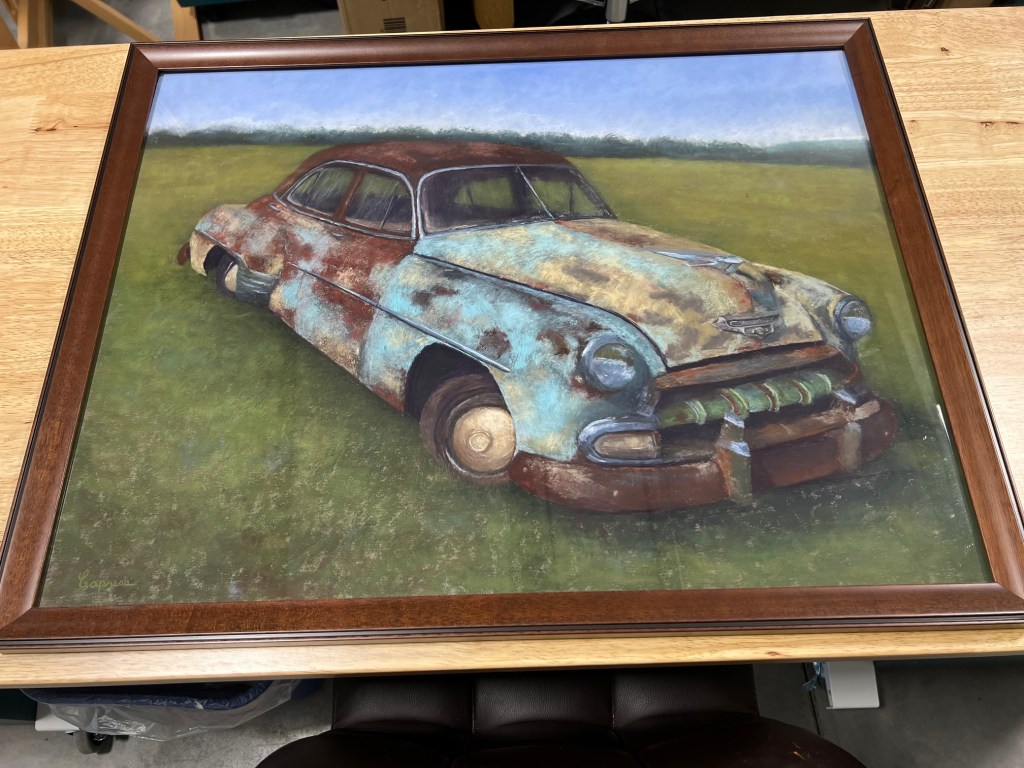
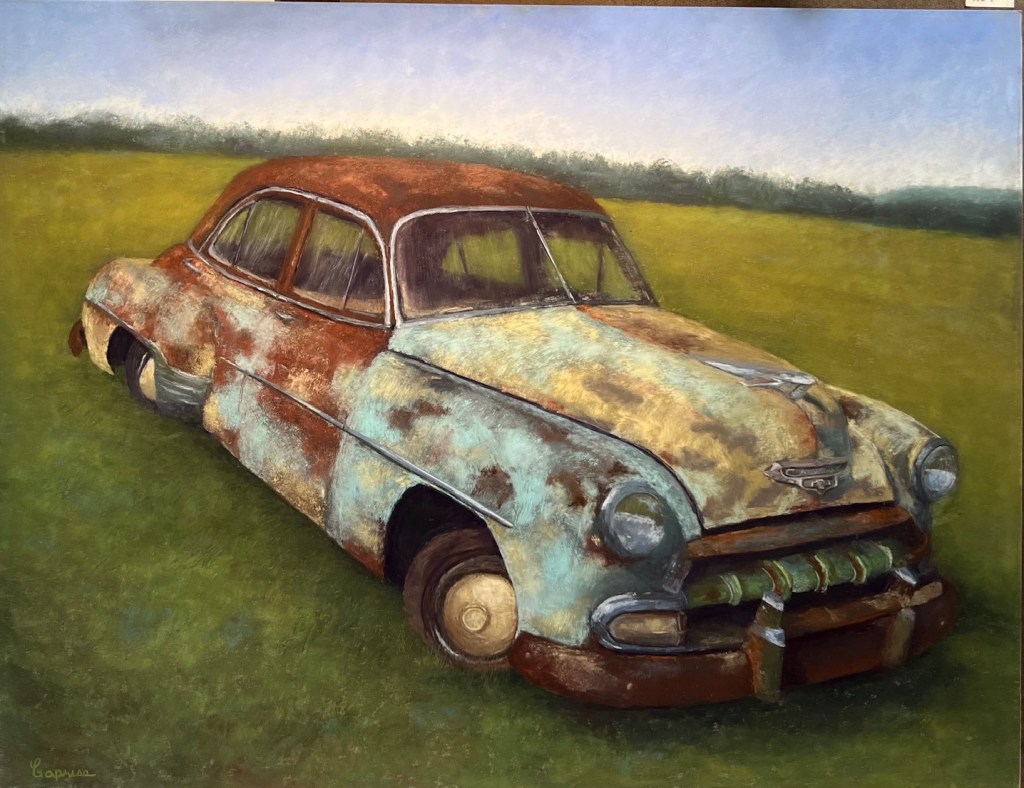
When I first framed the painting, I knew something wasn’t sitting right. It was a landscape featuring an old, rusted car sitting in a manicured sod field. I had painted everything exactly as I saw it, but there was a disconnect between the car and the rest of the scene. The car felt too separate from the environment—it didn’t belong.

I entered the painting into a juried show, and while I didn’t expect perfection, I was curious about what the judge would say. The feedback was kind but clear: the car, while beautifully rendered, seemed to be floating on the surface of the landscape rather than grounded within it. It almost looked as though the car had been cut out and pasted onto the canvas.

I had focused too much on the details of the car without considering how it interacted with its surroundings. The sod farm was too neat, too perfect, and the car felt like it was sitting on top of the landscape rather than being part of it. I painted what I saw vs taking out my artistic license and painting what felt right.

Unframing the Painting to Make Adjustments

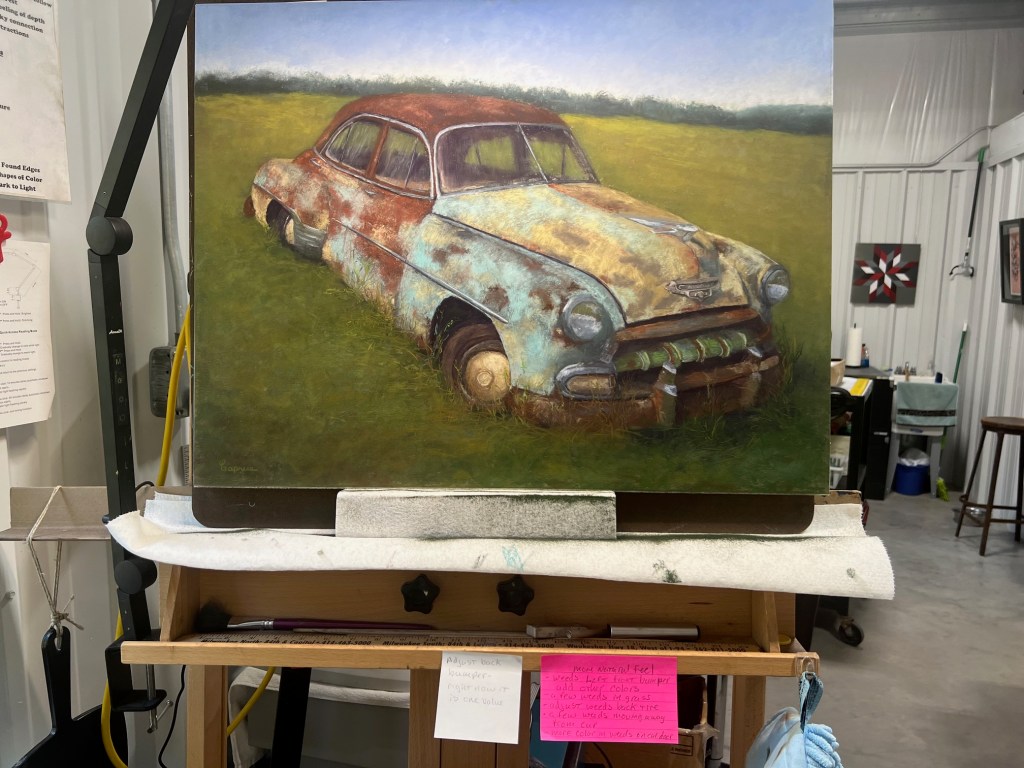
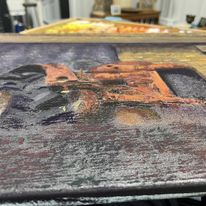
This was the first time I’d ever taken a painting out of its frame to make changes, but I couldn’t shake the feeling that I needed to make it right.

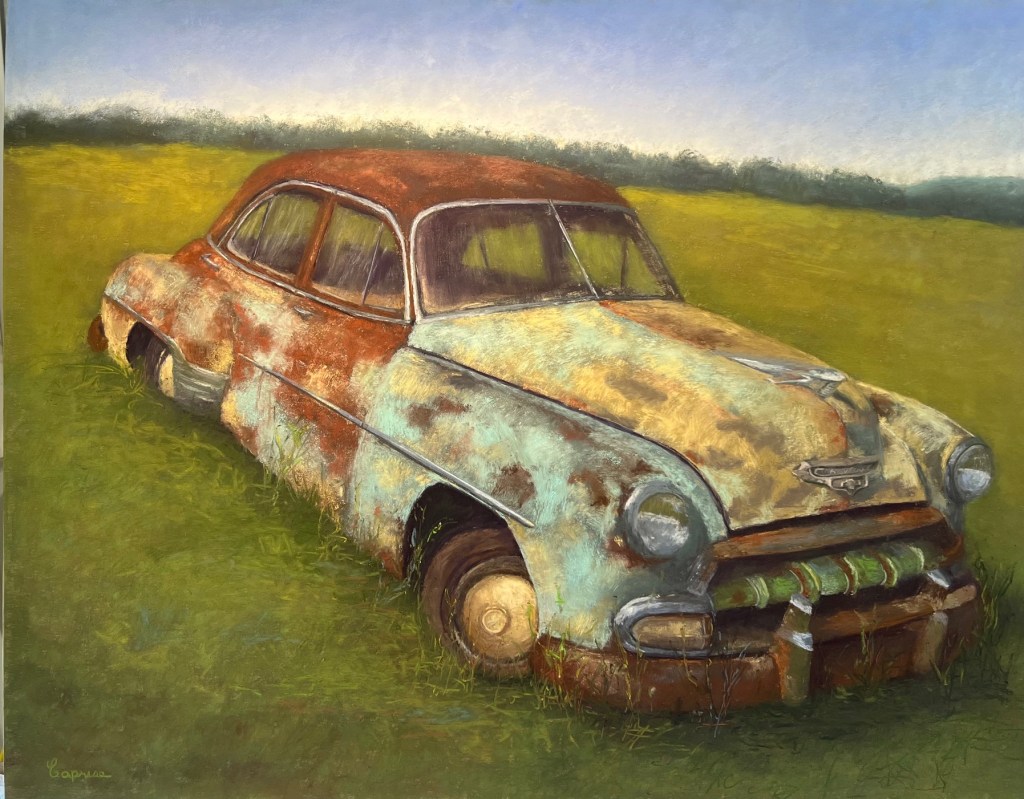
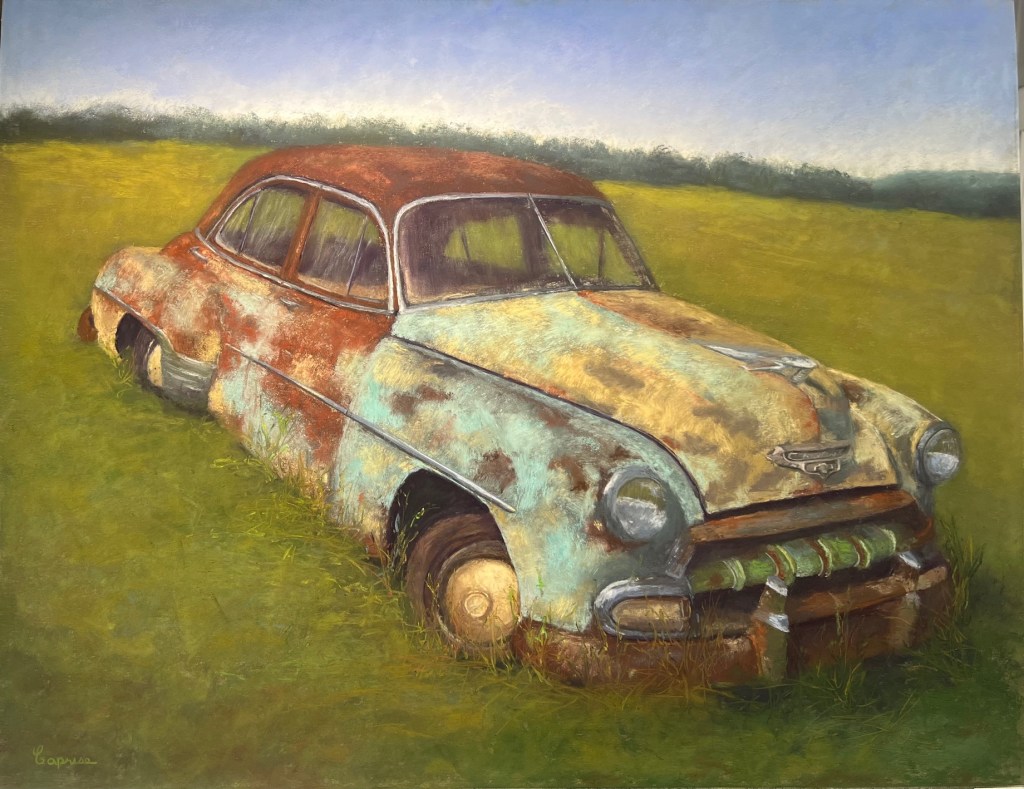
I decided to add texture and life to the landscape. I introduced some rougher, wilder grasses into the scene. I imagined what the field would actually look like after a car had been sitting there for an extended period. Grass would have grown up around it, and weeds would have started to take over. It was exactly what the painting needed.

The Lesson Learned

The biggest lesson I learned from this experience is simple but powerful: trust your gut. If something doesn’t feel right about a painting, don’t rush to frame it or call it finished. That unsettled feeling is often your intuition telling you that there’s more work to be done.

I also realized how important it is to step away from your work. Let the painting sit for a while, maybe even turn it around so you don’t look at it for a few days. Take a photo of it or examine the reflection in a mirror. These tricks can help you see the composition with fresh eyes. And if you’re still unsure, call a friend or fellow artist for feedback.

Conclusion

Correcting a painting that was already framed felt like a major step outside my comfort zone, but it led to a deeper understanding of the creative process. As artists, we’re always learning, even from the mistakes we make. This experience taught me to trust myself, take a step back, and give my art the time it needs to fully evolve.

Have you ever had a similar experience where you needed to correct a piece of artwork after thinking it was finished? I’d love to hear your stories and lessons learned in the comments below.

How fantastic it is when art beautifies spaces and supports such meaningful causes.

My daughter, Evelyn Laurence, and I had a wonderful time at the Community Service, Inc. 13th Annual Steve Willbanks Tribute. CSI’s mission to lead in providing quality services to youth and families—empowering them to succeed in their homes, schools, careers, and communities—is truly inspiring.

The event featured a silent auction, and it was an honor to have “Mater” included. How fantastic it is when art beautifies spaces and supports such meaningful causes!

Thank you to Ray Moll for inviting us to be your guests. And congratulations to Shawn Halbrook on your well-deserved community service award!

Reflections on My Art Journey: A Year of Competitions

This year, I participated in 10 art competitions and shows across the country, some held online and others in galleries. I want to give a huge shoutout to the organizations that coordinate these events—it’s no small task. I also want to express my heartfelt thanks to the artists who jury and judge these shows. It’s not easy to review potentially hundreds of paintings and determine which meet their unique criteria for acceptance into the show. Moreover, deciding on awards like Best of Show, 1st, 2nd, 3rd, and Honorable Mentions requires several reviews over multiple days. These decisions are made with their knowledge that while some artists will be ecstatic, others will be disappointed. As artists themselves, they understand all too well how that feels.

What we have to keep in mind is that we are all unique—what we look for in art is different, how we feel on a particular day, the emotion the piece invokes, and the other art pieces in competition all play a role. Though I was accepted into only three shows and did not receive an award, I’m honored to have been selected at all. There are amazing artists in these competitions, some of whom I’ve had the privilege of learning from in workshops. This experience validates that I’m on the right path, but ultimately, I paint because it brings me joy and sparks something in the viewer—perhaps a memory or a feeling. Click the links below to see information on the society and the full show.

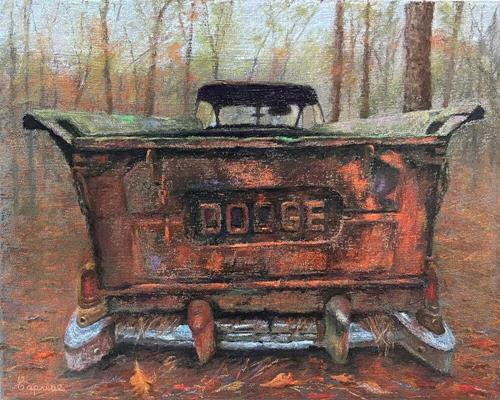
Southwest Florida Pastel Society – 4th Annual National Exhibition (not open till Sept 10.)- “Get out of Dodge”.

Pastel Society of America – Industrial/Machine Pastel Showcase – “Get out of Dodge.

Pastel Society of North CarolinaPure Color 8th International Online Juried Exhibition – “Out to Pasture”

Now to get creating!

The Rusty Vehicle Process: Exploring New Supplies: Enhancing My Artistic Process After the IAPS Convention

Attending the IAPS (International Association of Pastel Societies) Convention this past June was an inspiring experience. The convention buzzed with creativity and innovation, offering a unique opportunity to explore new techniques and materials. Among the various workshops and demonstrations, the vendor booths were particularly exciting. I couldn’t resist purchasing several supplies I had never used before. This blog post details my journey of incorporating these new tools into my artistic process, highlighting the challenges, benefits, and overall impact on my work.

The New Supplies

At the IAPS Convention, I acquired several intriguing supplies that piqued my interest:

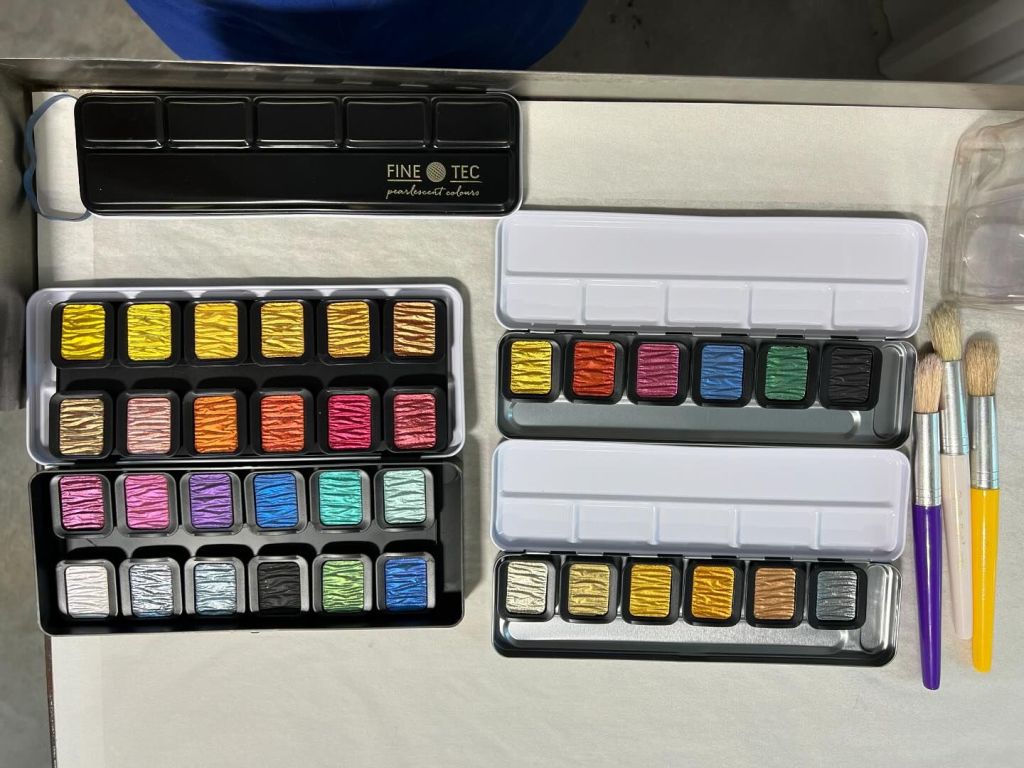
  1. Royal Talens FINETEC Premium Metallic Watercolors
    • These watercolors add a shimmering effect and enhance the luminosity of the underpainting. They have brilliant colors and strong pigmentation.
  2. Terry Ludwig Elements Pastels
    • Known for their rich, creamy texture and metallic flakes, these pastels offer vibrant and unique highlights.

My Process

Incorporating these new supplies into my artistic process was both exciting!

Switching from Sanded Paper to Stretched Canvas

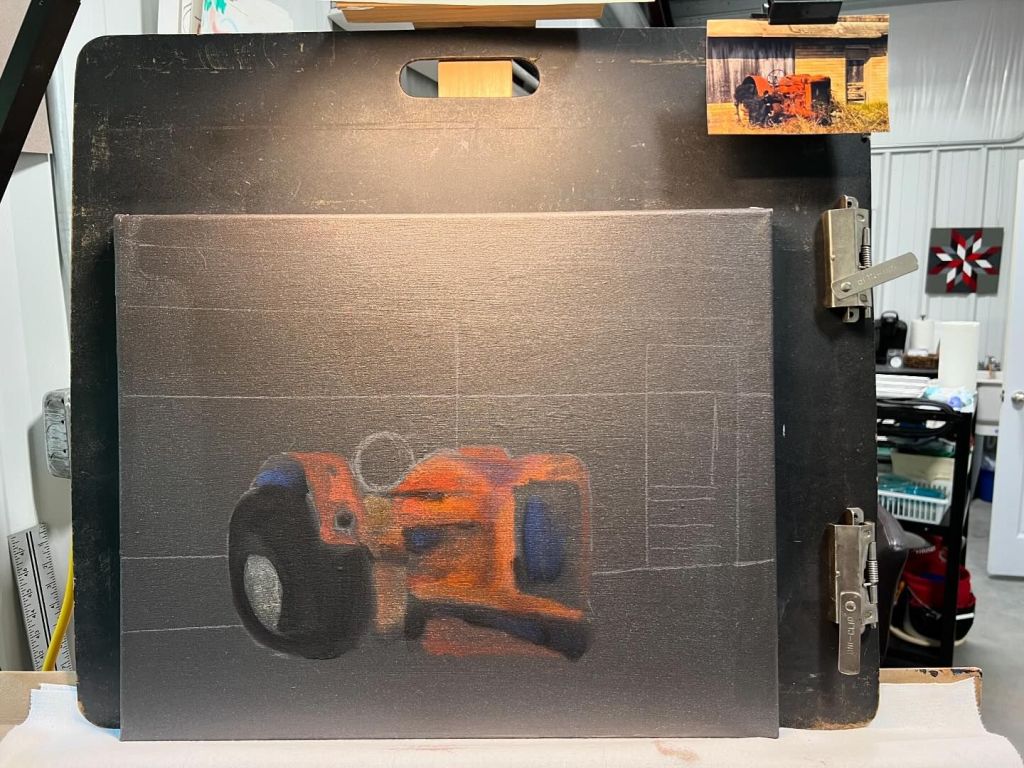
For this particular painting, I decided to use a stretched canvas instead of my usual sanded pastel paper. The transition started with applying gesso over an old painting, using a 6″ wide brush to create a textured surface. To avoid working on a stark white canvas, I covered it with micaceous oxide acrylic paint. This resulted in a gritty, dark gray surface with a subtle shimmer, perfect for painting rusty vehicles. A technique I learned about at Art Outfiters in Little Rock, AR.

Sketching and Underpainting

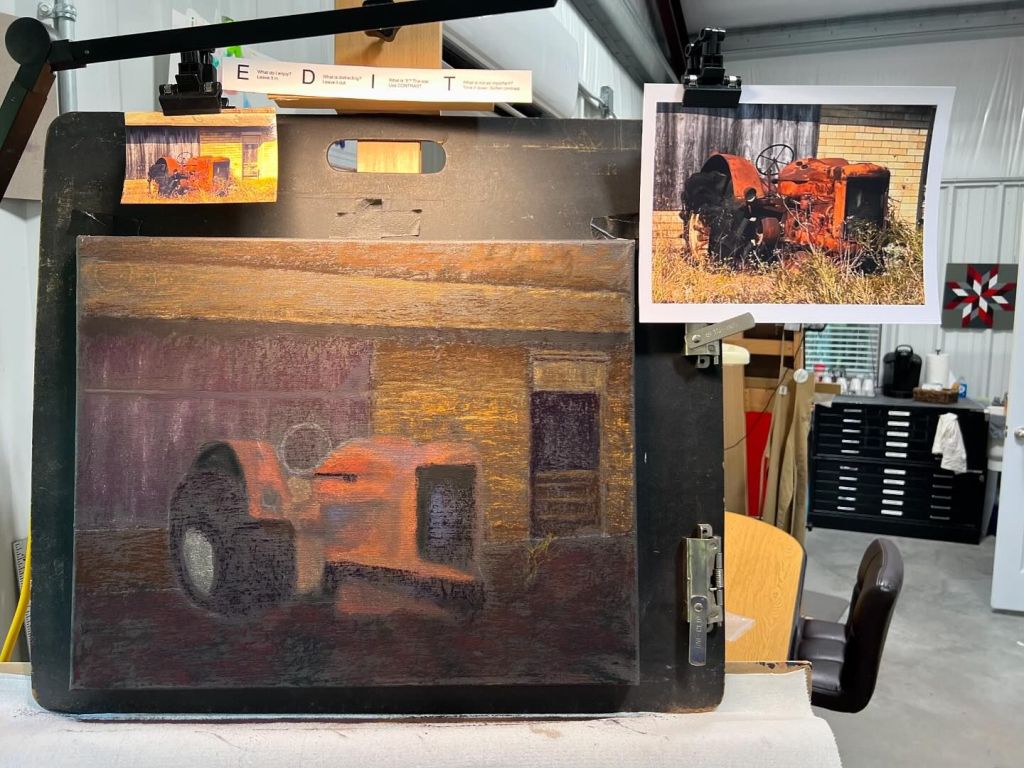
Once the canvas was prepared, I sketched out the drawing. I then used the Royal Talens Premier Metallic watercolors for an underpainting on the tractor. These metallic watercolors added a luminous base layer that would shine through the subsequent pastel layers.

Layering and Detailing with Pastels

With the underpainting complete, I began layering pastels. I started by blocking in the entire painting, ensuring I identified the darkest darks, lightest lights, and mid-tones. Working around the painting, I applied pastels with directional strokes to create texture and depth. Using a light touch with the pastels allowed the underpainting to shine through, creating a layered and nuanced effect. This technique also preserved the tooth of the canvas, enabling multiple layers of pastel to be added without overloading the surface. It was a challenge to resist focusing on all the intricate details at this stage.

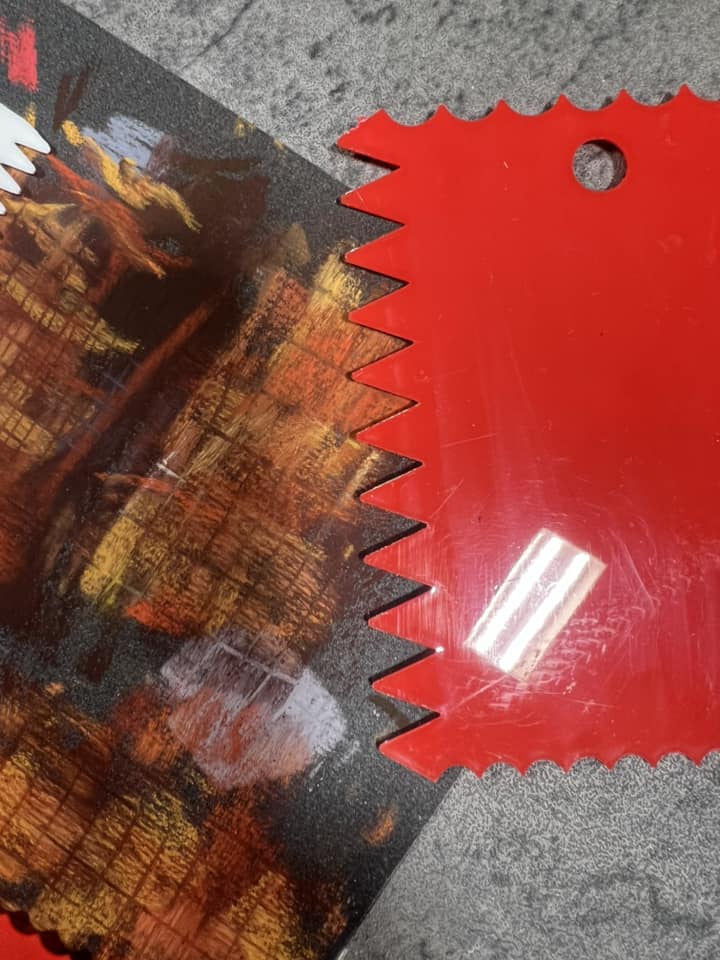
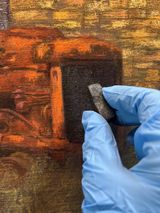
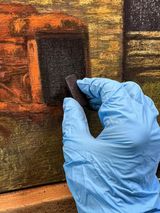
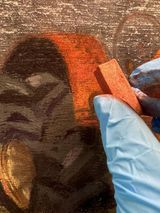
For the brick building, I wanted to convey the texture of bricks without drawing each one individually. I used cake decorating tools to drag across the pastel, creating lines that suggested bricks. I then lightly blended certain areas to soften and eliminate some of the lines, achieving a balanced effect.

Next, I turned to the details of the tractor. My goal was not to capture every detail perfectly but to provide enough information for the viewer to recognize it as a tractor. Before finalizing the lighting, I added the grasses, adjusting the balance between light and dark areas to enhance the overall composition.

Adding Finishing Touches

The most fun part was using the Terry Ludwig Iridescent pastels. These pastels are incredibly rich and creamy, with a beautiful metallic flake that was perfect for highlighting the radiator of the tractor and adding orange highlights of rust. These finishing touches brought a dynamic and eye-catching quality to the painting.

Benefits and Enhancements

The Royal Talens Premier Metallic watercolors added a unique luminous quality to the underpainting, enriching the final work’s depth and vibrancy. Finally, the Terry Ludwig Iridescent pastels offered stunning highlights and metallic effects that elevated the painting’s visual appeal.

These new materials have expanded my creative possibilities, allowing me to experiment with different textures and finishes. The process of integrating these supplies also challenged me to think differently about my approach, leading to a more dynamic and layered final piece.

I encourage fellow artists, whether beginners or professionals, to step out of their comfort zones and experiment with new materials. Stay tuned for the final version of this painting and more insights on how these supplies continue to shape my art.

IAPS 2024 Convention

This year, I had the incredible opportunity to attend the International Association of Pastel Societies (IAPS) convention in Albuquerque, NM. As a first-timer to both the event and New Mexico, I didn’t know quite what to expect, but I was blown away by the experience. With over 600 artists from around the globe and about 20 instructors, the convention was a vibrant celebration of pastel art.

The IAPS convention is a bi-annual gathering that transforms Albuquerque into a hub of artistic creativity. The sheer scale of the event was impressive, with artists of all skill levels and backgrounds coming together to learn, share, and celebrate their craft.

Every day was packed with activities designed to inspire and educate. The workshops and demos were the heart of the convention, offering hands-on learning experiences and live demonstrations from some of the best in the field. Evenings were equally engaging, with events that allowed for networking and socializing. These gatherings were perfect for meeting fellow artists, sharing experiences, and forging new friendships. Here are my key highlights from the event:

  • One day workshop with Barbara Jaenicke: Strengthen your Landscape with Expressive Edges.
  • Demo by Liz Haywood-Sullivan: Are you Done? (meaning if you go too far you may overwork your painting or loose the intent).
  • Demo by Eve Miller: Emotional Landscapes
  • Demo by Tony Allain: Reflections on Water
  • The Candy Store: A room filled with vendors selling pastel supplies at good discounts. It was an opportunity to explore new items I’ve not tried, like metallic pastels and watercolors for my rusty vehicles.
  • Fiesta Night: An opportunity to talk with other pastel societies. I belong to the Arkansas Pastel Society and The Ozark Pastel Society.
  • Honors Banquet: Where those artists who earned points for being accepted to a juried show, receiving an award in the juried show. Those points go toward Master Circle or Eminent members of IAPS.
  • I even ran into Julie from Mainstreet Art Center where I studied for years before moving to AR.

Attending the IAPS convention was an unforgettable experience that I highly recommend to any artist, whether you’re a seasoned professional or just starting out. The wealth of knowledge, the vibrant community, and the inspiration found at this event are unparalleled. I’m already looking forward to the next convention and can’t wait to see what new experiences and learning opportunities it will bring. Thank you to everyone who made this event so special—IAPS 2024, here I come!

“Generations” A Mother and Daughter Exhibition – Take 2!

If you missed the “Generations 2” opening, you still have another chance to “meet the artists” at the

2nd Reception on Thursday, June 20, 2024 from 4pm to 7pm

Rialto Community Arts Center Gallery

215 E. Broadway Street

Morrilton, Arkansas

Some highlights from the May 16th Opening:

Evelyn, Bearrett and I would like to thank everyone who came out to the first opening night. We had a lovely time meeting all the guests and discussing our work. We appreciate the time you took to view our work and we hope it brought you joy, sparked a memory, or brought you to a place you might not have seen otherwise. Bearrett did a fabulous job describing the pieces he created.

People’s Choice Award for each artist:

Evelyn Laurence – Blue House

Caprise Cooper – Memories of the Past

Thank you again for the great community support and to the Rialto Community Arts Center/Arts Council of Conway County for hosting us. As well as, Main Street Morrilton and Morrilton Chamber of Commerce.

“Generations” A Mother and Daughter Exhibition – Take 2!

Evelyn and I are excited to announce that “Generations” will be on display at the newly renovated Rialto Community Arts Center in Morrilton, AR. We are thrilled to be a part of bringing art back to the community where we live. We will be adding a few new pieces to the exhibit.

Opening Reception on Thursday, May 16, 2024, from 4 pm to 7 pm

2nd Reception on Thursday, June 20, 2024 from 4pm to 7pm

Rialto Community Arts Center Gallery

215 E. Broadway Street

Morrilton, Arkansas

Generations is an exhibition that celebrates art and the special bond between mother and daughter through their love of art.  Generations is about sharing the love of art, imagination, and creativity and how this passion has been passed down through the generations of our family. 

The exhibition is a collection of old structures that have stood for generations, some of which belonged to our family.  A series of old rusty vehicles which began with a 1951 Mercury converted truck bed we found on our homestead. The other pieces demonstrate a variety of art mediums and genres, such as oil, pastel, pencil, ink, and printing, reflecting the diversity and versatility of our art.

Photos of three murals we did together at the Museum of Automobiles on Petit Jean Mountain are included in the exhibition.  It was an honor to be asked to use our creative talents to create these pieces at such a special place.

At four years old, Bearrett, the third-generation descendant of the Cooper family, is stepping up to the easel with his first painting “The Black Hole”. 

We hope the artwork in this exhibit, and the generations that brought it to life, find you inspired, moved, and deeply touched. 

The exhibit will be on display from May 16, 2024 – July 12, 2024.

The Gallery is open Saturday’s from 10 am to 2 pm.

Contact the Gallery for hours during the week.